- Home
- FAQs
Filtration FAQs
Straight answers to the questions we’re asked most about air handling units, dust, fume and oil mist extraction, hygiene and fabric ducting.
Air Handling
Common questions about air handling units, filter grades and keeping indoor air quality right.
How often should I change the air filters in my AHU?
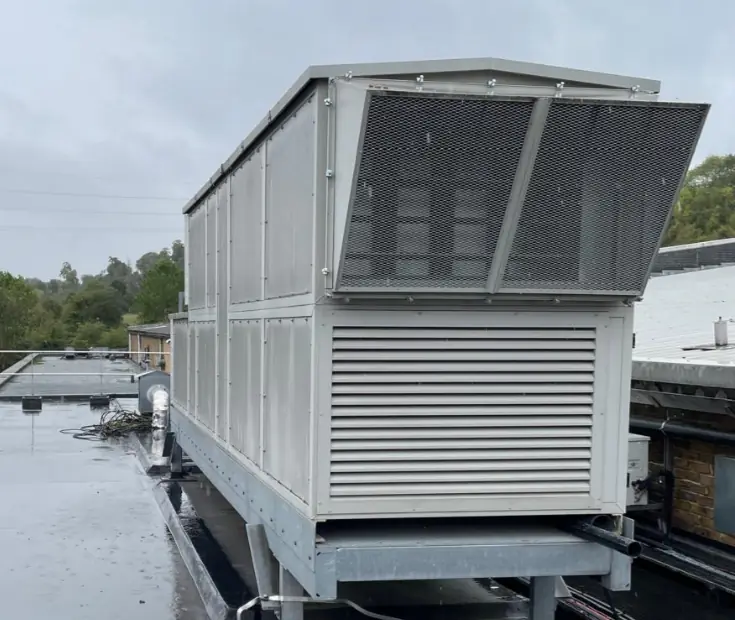
For optimal performance we recommend changing the air filters in your air handling unit at least every six months. Pre-filters on dusty sites often need changing every 3–6 months, while secondary bag filters usually last 6–12 months. The best guide is the pressure drop across each filter bank – we can fit gauges and offer condition-based monitoring so filters are changed when they need it, not before.
Which air filter grades should I be using in my air handling unit?
Filters are now graded to ISO 16890 (ISO Coarse, ePM10, ePM2.5 and ePM1), which replaced the old EN 779 G, M and F classes. A typical AHU uses a coarse pre-filter (old G4) to protect a finer secondary filter (old F7, roughly ePM1 50–65%). High-care food areas, laboratories and cleanrooms may need HEPA filters (H13/H14 to EN 1822).
We’ll check your unit, the space it serves and any audit requirements and recommend the right grades.
What air quality standards apply in the food processing industry?
There is no single UK figure for air quality in food factories. The BRCGS Food Safety standard expects air in high-risk and high-care areas to be controlled by risk assessment – the right filter grades, positive pressure where needed, and documented filter changes, cleaning and maintenance. We provide the service records auditors ask for.
Why do dirty filters increase my energy bills?
As filters load with dust the resistance to airflow rises, so the fan has to work harder (or airflow drops). Changing filters at the right pressure drop, choosing low-resistance filters and keeping coils clean all reduce running costs – we can carry out energy surveys on your AHUs.
Can you replace filter frames, dampers, fans and coils in an existing AHU?
Yes. Filter frame, damper, fire damper, fan and motor, plug fan and heating / cooling coil replacements are all part of our AHU remedial and refurbishment work – often a cost-effective alternative to a new unit. See AHU refurbishment.
Dust, Fume & Oil Mist Extraction
Questions about extracting dust, mist, spray, fume and oil in industrial environments, and LEV testing.
What is an LEV?
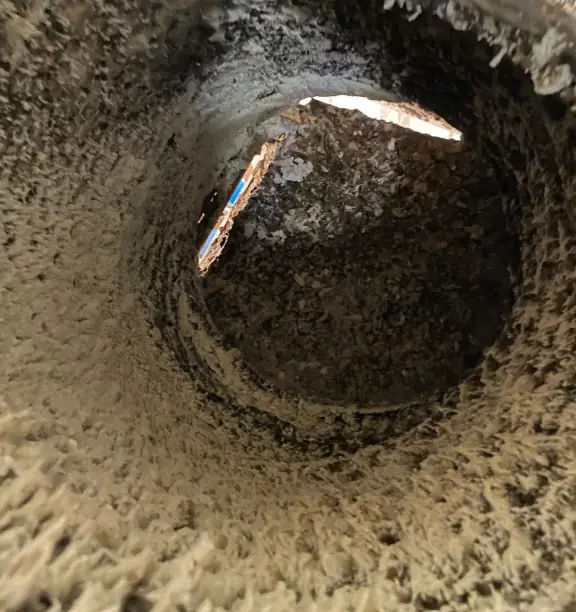
A Local Exhaust Ventilation (LEV) system captures harmful airborne contaminants – dust, fume, mist, vapour or gas – at source, before they reach the people working nearby, and carries them away to a filter or a safe discharge point. It is a key control measure under COSHH.
How often do I need an LEV examination?
COSHH regulation 9 requires a thorough examination and test of LEV at least once every 14 months. Some processes listed in Schedule 4 of COSHH need testing more often (as often as monthly), and records of each test must be kept for at least five years. We provide LEV testing and can put your system on a regular schedule so it never lapses.
How long should cartridge filters last in my LEV or dust collector?
Normally around 6 to 12 months, but it depends on the dust type, the volume of air and how many hours the system runs. Rising differential pressure, poor capture at the hoods or dust at the clean-air outlet are signs the filters need attention.
How does the type of dust, fume or oil mist affect the choice of system?
Fine powders, heavy or abrasive dust, sticky or oily mist and welding fume all need different filter media, cleaning systems and duct velocities. Many dusts – wood, flour, sugar and some metals – are also combustible, so DSEAR / ATEX requirements apply. Tell us about your process during the free site survey and we’ll specify the right equipment.
Do you extract oil mist and fume as well as dust?
Yes. As well as dust collectors we install, service and repair extraction for oil mist from machining, process fume and spray – the same principles of capturing at source, filtering and maintaining apply.
How can I make sure the engineers working on my site are properly trained?
Ask for evidence. Our engineers carry CCNSG safety passports and IPAF and PASMA training for work at height, we are CHAS accredited and SafeContractor approved, and we provide RAMS before work starts.
Hygiene, Cleaning & Maintenance
Keeping ventilation and extraction systems clean, efficient and audit-ready.
How frequently should an air handling system be cleaned?
We recommend cleaning your air handling units at least every six months to maintain efficiency and hygiene – more often in high-care food areas, where the cleaning schedule should be set by your risk assessment. Coils, drip trays, filter sections and fan chambers are the main places dirt and moisture collect.
How often should our LEV ducting and dust collector be cleaned?
It depends on the dust and how much is produced. Build-up in ducts reduces airflow at the hoods and, with combustible dust, increases fire and explosion risk. We check ducting during maintenance visits and recommend cleaning when it is needed.
What is included in an AHU service?
A full inspection of filters, coils, fans, dampers, belts and bearings, cleaning, filter replacements, performance testing (airflow, temperatures, humidity), diagnostics and recommendations. See AHU & dust collector maintenance.
Is ductwork cleaning a legal requirement?
There is no single law, but employers must keep ventilation systems clean and in good repair, and BESA’s TR19 is the recognised UK specification for ventilation hygiene. Insurers and auditors (for example BRCGS) expect cleaning to be planned and recorded.
How do I show an auditor that our systems are maintained?
Keep a record of every filter change, clean, service and LEV test. We provide service paperwork for each visit, and existing customers can access their documents through our customer portal.
Fabric Ducting
Fabric ducts and air socks – what they are, fitting, cleaning and replacement.
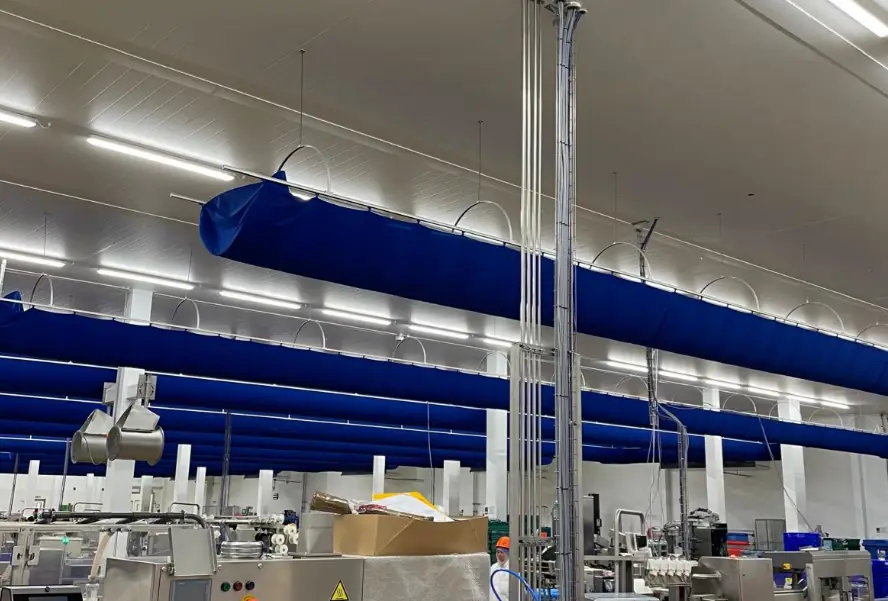
What is fabric ducting?
Fabric ducting (also known as air socks or textile ventilation) is air distribution ducting made from polyester material. It spreads air evenly and draught-free along its length, which suits food production, laboratories, warehouses and sports halls.
Do you measure, supply and install fabric ducting?
Yes. We expertly measure on site, supply the right fabric ducts or air socks for your system and fit them for you – including replacing old, worn or damaged socks.
Can I control the temperature using fabric ducts?
Not on their own. Fabric ducts distribute the air – heating, cooling and humidity are controlled by the air handling unit that feeds them. Choosing the right fabric and outlet pattern does help avoid draughts and condensation.
How are fabric ducts cleaned and how long do they last?
Most fabric ducts can be taken down and laundered, which is important in food production. Over time seams, joints and fixings weaken – we can inspect them, take them down and refit them, or supply replacements.
Can’t find your answer?
Call our engineers or send us the details – we’re happy to give advice, with free site surveys across the UK.